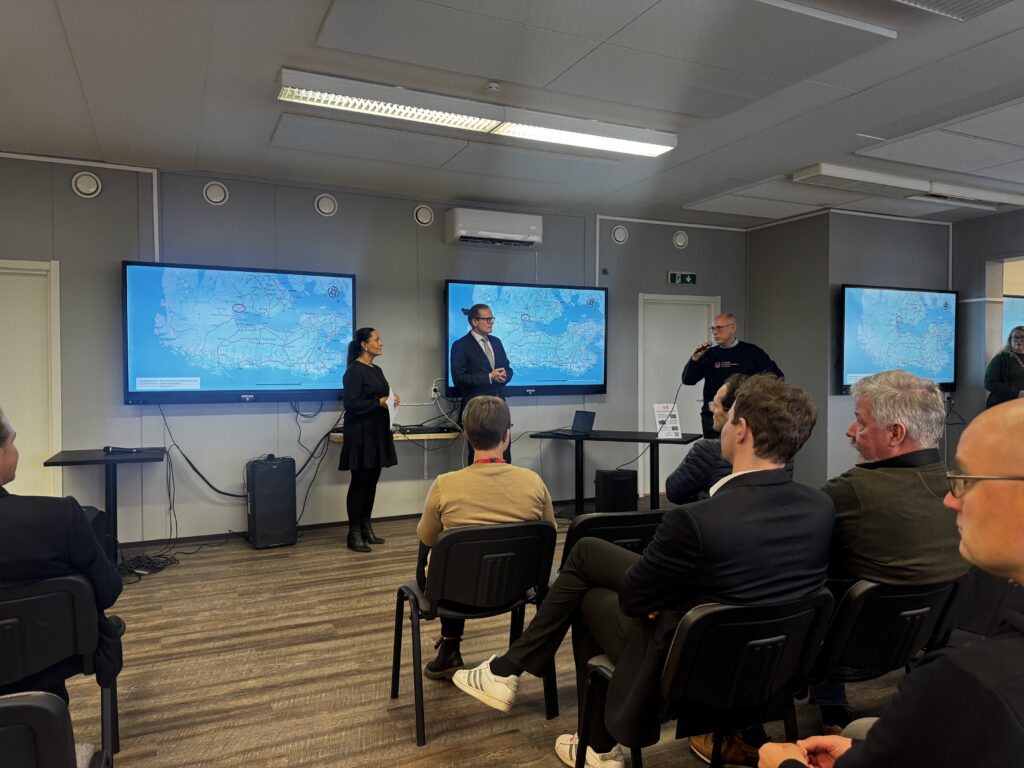
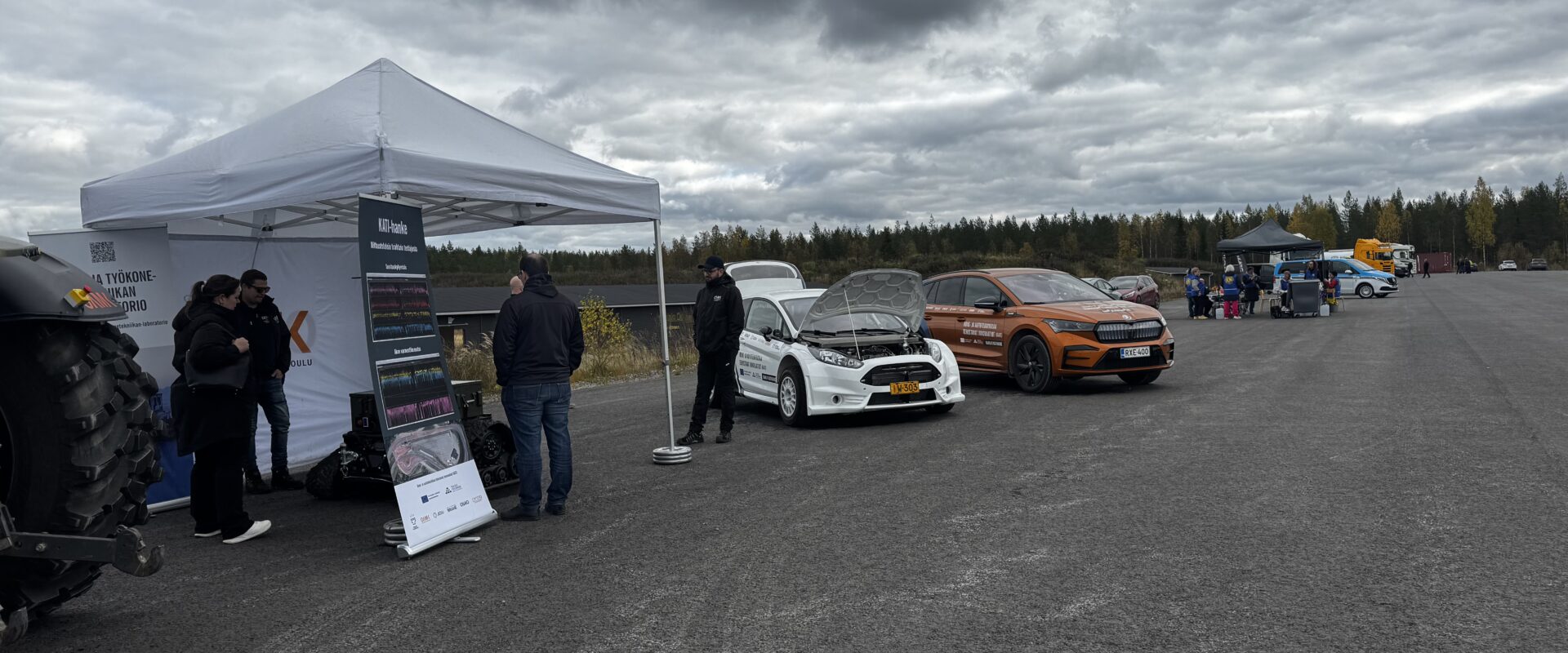
Kestävä logistiikka 2026 event brought together around 150 representatives from logistics companies, experts, developers, and public sector organizations at Ruutikangas in Liminka on 25 September to discuss the transformation of the logistics sector, new energy solutions, and the opportunities offered by data to improve competitiveness and sustainability.
In the keynote presentation, Associate Professor of Sustainable Logistics and Supply Chain Management Timo Pohjosenperä from the University of Oulu explored the ongoing transformation of the logistics industry and how emerging technologies can be translated into practical solutions.
Marjaana Komi from OSAO discussed the impact of EU regulations on the logistics sector, with a particular focus on the development of hydrogen-powered heavy transport markets. In addition, Jyri Mäkelä (Centria) and Tuija Väyrynen (Oamk) presented new business opportunities and pilot initiatives being implemented in the Liminka region. The potential of data utilization in logistics was highlighted by Satu Kauppinen from Centria.
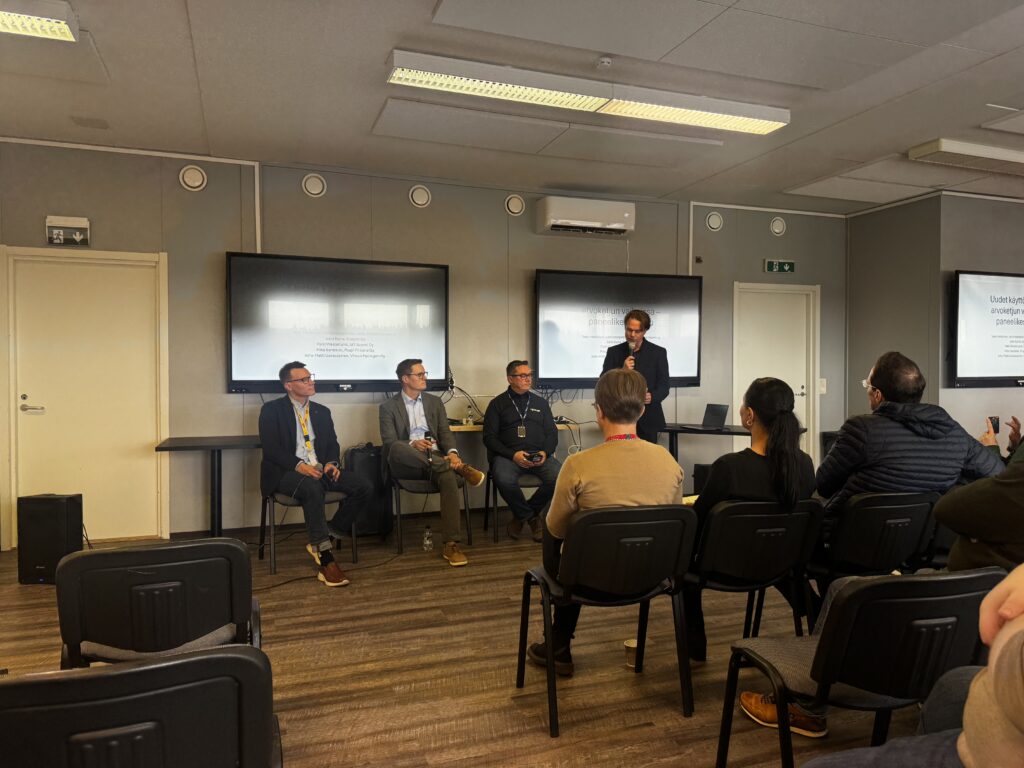
One of the highlights of the event was a panel discussion on alternative transport fuels moderated by Taavi Heikkinen, Managing Director of SKAL Northern Finland. The discussion focused on electrification, hydrogen solutions, and the business opportunities created by low-emission logistics. Hydrogen, electricity, biogas, and their respective roles in future transport solutions generated particularly lively debate.
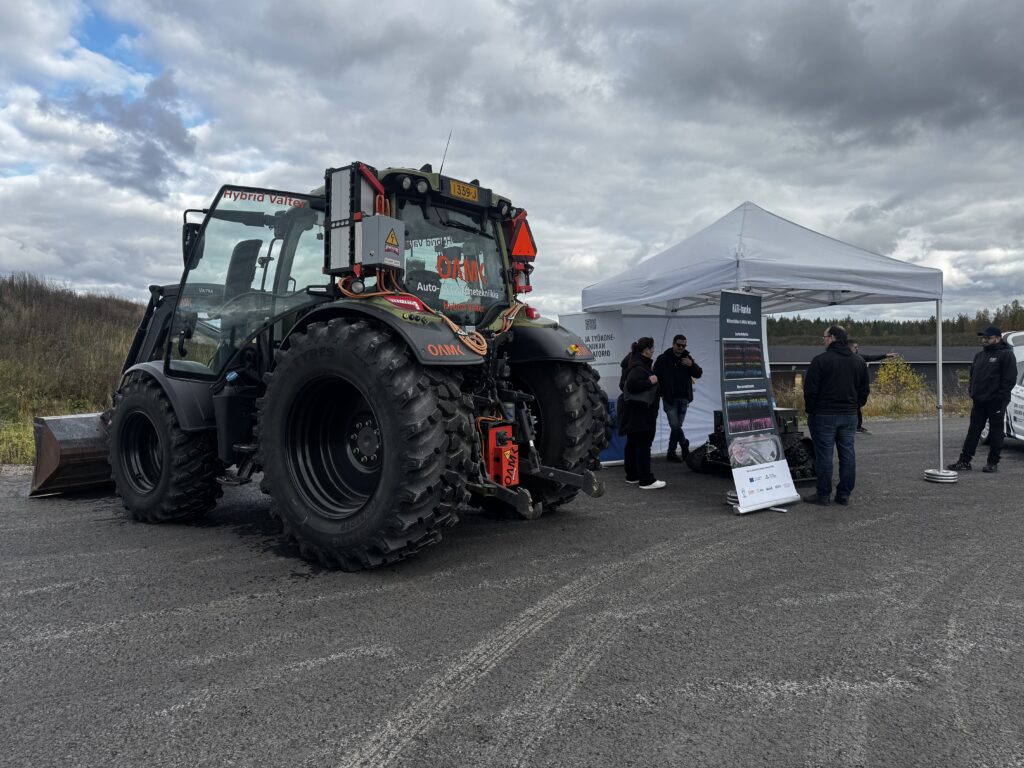
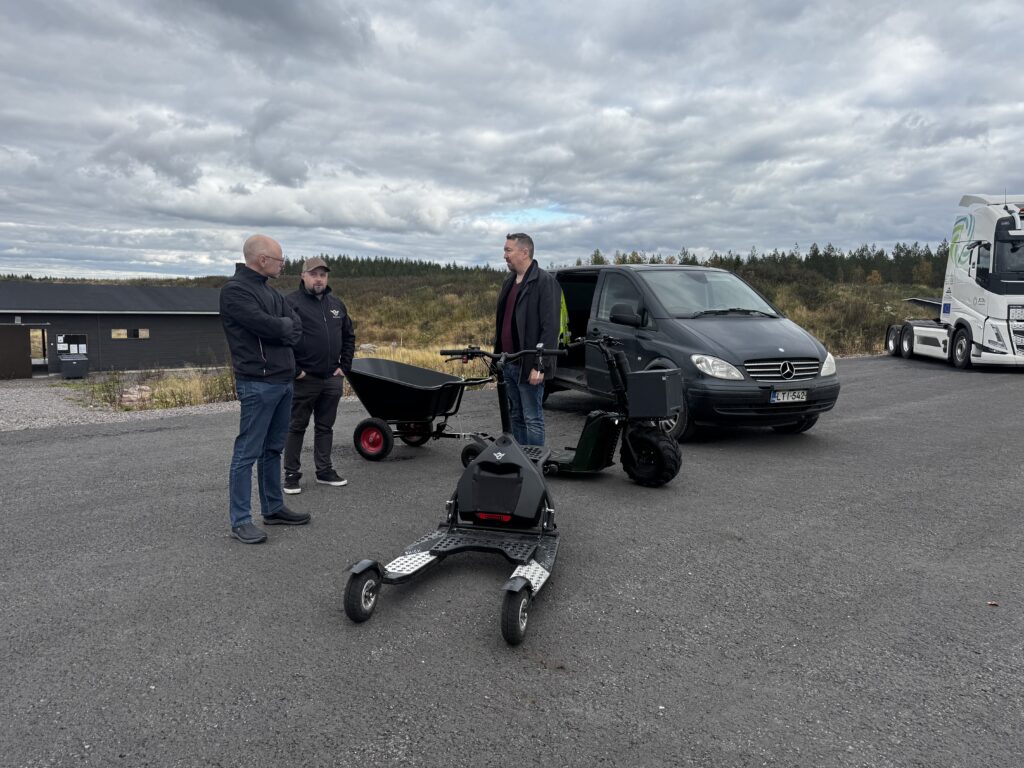
During the afternoon, participants explored practical innovations at the exhibition area, featuring a hybrid tractor, an electric tracked vehicle, a hydrogen-powered truck, an electric truck, and an electric bus. Jarkko Koskela, CEO of Ruutikunnat Oy, also introduced the Ruutikangas area and its future development opportunities.
The event demonstrated that sustainable logistics solutions are evolving rapidly and creating significant business opportunities for companies across Northern Finland. The future of logistics will be built on data, new technologies, and a diverse mix of energy sources, rather than a single solution. Northern Finland’s long distances further emphasize the importance of functioning infrastructure, investments, and close cooperation between stakeholders. Achieving a sustainable transition requires bold decision-making and a focus on enabling solutions.
The event was organized by the Kiertokumppanit and KV-Kiihdyttämö projects in cooperation with Centria University of Applied Sciences, Utajärvi Business Park Ltd., and the Municipality of Liminka. Partner organizations also included LOGY Northern Finland, Oulu University of Applied Sciences (Oamk), and BusinessOulu.